

🧬Hormones are chemical messengers responsible for the proper functioning of the body. They are produced by the glands, organs, and tissues that make up the endocrine system, and then enter the bloodstream, which allows them to reach specific cells and organs. It is there that they transmit signals affecting, among other things, metabolism, energy levels, sleep, mood, and immunity. Each hormone acts like a message sent to specific cells that possess the appropriate receptors. When a hormone reaches its target, the body receives a signal to carry out a specific reaction or process.
Although there are many hormones in the human body, they can be divided into three main groups based on their chemical structure: lipid hormones, hormones derived from amino acids, and peptide and protein hormones.
1. Stress
Stress is a natural part of life and affects all of us. In some situations, it can be motivating—helping us focus, react more quickly, and cope with challenges. However, when this tension lasts too long, the body begins to feel its negative effects. Short-term stress can be helpful and motivating. The problem arises when it persists for weeks or months. Chronic stress affects not only mental well-being but also the functioning of the entire body. Over time, it depletes the body’s natural adaptive abilities, and the body begins to operate in a state of constant readiness and “survival.”
One of the most important stress-related hormones is cortisol, often called the “stress hormone.” Its persistently elevated levels can disrupt the body’s hormonal balance, affecting, among other things, thyroid function, glucose and lipid metabolism, as well as the functioning of the HPA axis (hypothalamic-pituitary-adrenal), which plays a key role in regulating the body’s response to stress and also indirectly influences the endocrine system. Chronic stress also affects glucose metabolism, increasing the risk of developing insulin resistance. In the long term, this can lead to metabolic problems, including type 2 diabetes, excessive fat accumulation, or difficulty maintaining a healthy body weight.
One of the first warning signs is sleep problems—difficulty falling asleep, frequent waking during the night, or feeling tired despite getting enough sleep. This is due, in part, to disrupted secretion of stress hormones, such as cortisol and adrenaline, which regulate the circadian rhythm and the body’s arousal levels.
2. How does diet affect hormone production and regulation?
It’s hard to talk about hormonal health without considering diet. What ends up on your plate every day affects not only your energy levels and body weight but also hormone production, secretion, and cellular sensitivity to their effects. Long-term nutrient deficiencies can disrupt the functioning of the thyroid and adrenal glands, thereby affecting the balance of the entire body.
Nutrients important for balance:
Hormones do not arise “out of thin air”—the body needs the right nutrients to produce them in the correct amounts and maintain their proper function. The following are particularly important:
· Complete protein, which provides the amino acids necessary for synthesis,
· Healthy fats, especially omega-3 fatty acids, olive oil, and nuts, which are an important building block for hormones,
· B vitamins, which support metabolic processes and nervous system function,
· Micronutrients such as zinc, selenium, iodine, and magnesium, which play an important role in thyroid function and stress regulation.
It is the regular intake of these nutrients that forms the foundation of a diet that supports hormonal balance. Diet can support hormonal balance, but it can also disrupt it. Excessive consumption of sugar, trans fats, and highly processed foods contributes to sharp fluctuations and exacerbates chronic inflammation.
3. Physical activity – how does exercise support hormonal regulation?🏋️
Regular physical activity is one of the most important factors supporting hormonal balance. Appropriately chosen exercise helps the body cope better. Moderate, regular activity can support the release of endorphins responsible for well-being and reduce stress levels. However, it’s worth remembering that more isn’t always better. Training that’s too intense or poorly planned, especially without adequate recovery, can have the opposite effect.
Hormonal balance is influenced not only by what we do from time to time, but above all by our daily habits. Many seemingly minor factors can gradually disrupt the endocrine system and make it difficult to maintain the body’s balance.
The most common factors that negatively affect hormones include irregular meals, restrictive diets, and an insufficient energy intake. Excessive consumption of caffeine and alcohol, chronic stress without time for recovery, and highly processed foods also have a negative impact. It is the sum of our daily choices that often determines whether the body maintains its balance or gradually begins to send warning signals.
4. Sleep and the circadian rhythm – the foundation of health💤
Sleep is one of the most important, yet most frequently underestimated, factors influencing hormonal balance. It is during nighttime recovery that the body regulates the processes responsible for metabolism, appetite, energy levels, and immunity. Not only the duration of sleep matters, but also its quality and regularity. The body functions according to a circadian rhythm, or internal “biological clock,” which controls hormone secretion and synchronizes the work of various systems. When this rhythm is disrupted—by irregular sleep schedules, shift work, frequent sleepless nights, or exposure to screen light in the evening—the body may struggle.
5. The most common hormonal disorders🩺
· Insulin resistance is a condition in which the body’s cells become less sensitive to insulin—the hormone responsible for transporting glucose from the blood into cells. To maintain normal blood sugar levels, the pancreas begins to produce increasingly larger amounts of insulin. Over time, this mechanism may become insufficient, leading to impaired glucose metabolism and increasing the risk of developing type 2 diabetes. Insulin resistance affects not only glucose levels but also fat metabolism, appetite regulation, and hormonal balance. It often coexists with excess body weight, chronic fatigue, or difficulty losing body fat.
The most common symptoms include:
· Sleepiness after meals,
· Increased cravings for sweets,
· Difficulty losing weight,
· Feeling tired and experiencing energy slumps.
• PCOS (polycystic ovary syndrome)
PCOS is one of the most common hormonal disorders among women of childbearing age. The condition is associated with a disruption in the hormonal axis responsible for regulating the menstrual cycle and with increased production of androgens, hormones typically considered male. PCOS causes ovulation disorders, which affect both the regularity of cycles and fertility.
· The most common symptoms include:
· Irregular periods or amenorrhea,
· Ovulation problems,
· Acne and increased sebum production,
· Difficulty getting pregnant.
• Hyperthyroidism
Hyperthyroidism occurs when the thyroid gland produces too much thyroid hormone. Because these hormones regulate the rate at which nearly the entire body functions, an excess of them leads to an accelerated metabolism and overstimulation of many systems. People with hyperthyroidism often feel as if their bodies are running on “high speed.”
Common symptoms include:
· Excessive sweating,
· Feelings of anxiety and irritability,
· Heart palpitations,
· Sleep problems,
· Rapid heartbeat.
· Hypothyroidism
Hypothyroidism develops when the body produces too few thyroid hormones. Since these hormones regulate the metabolic rate, their deficiency causes many organs and systems to slow down. Symptoms usually develop gradually and may be nonspecific at first.
The most common symptoms include:
· Chronic fatigue,
· Feeling cold,
· Impaired concentration,
· Depressed mood,
· Hair loss,
· Memory problems.
• Hashimoto's disease
Hashimoto's is a chronic autoimmune disease in which the immune system mistakenly identifies thyroid cells as a threat and gradually damages them. This leads to chronic inflammation and a reduction in the thyroid’s ability to produce hormones. Hashimoto’s is one of the most common causes of hypothyroidism, but it can develop over a long period without obvious symptoms.
The most common symptoms include:
· Difficulty concentrating,
· Weight gain,
· Depressed mood,
· Increased sensitivity to cold,
· Skin problems and hair loss.
6. Supplementation to Support Hormonal Balance💊
Supplementation can complement a healthy lifestyle and a well-balanced diet, but it cannot replace diagnosis, treatment, or daily habits that affect hormonal balance. Many ingredients support the body in maintaining hormonal balance, especially when deficiencies or increased needs arise.
Inositol – is a compound similar to B vitamins and plays an important role in cellular signaling. It is most commonly mentioned in the context of supporting insulin function and women’s hormonal health.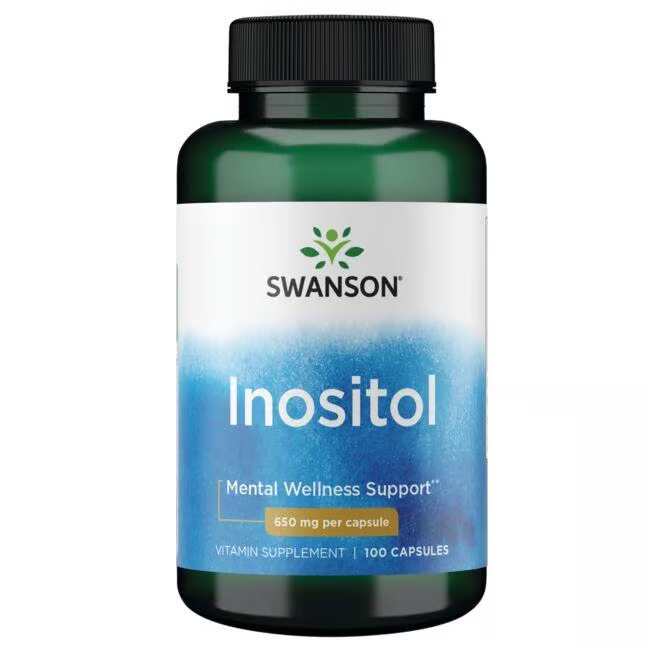
Ashwagandha – is classified as an adaptogen, a substance that supports the body’s ability to cope with stress. Due to the impact of stress on the endocrine system, this supplement is often discussed in the context of regulating the stress axis.
Selenium – is a trace element particularly important for the proper functioning of the thyroid gland. It participates in the metabolism of thyroid hormones and helps protect cells from oxidative stress.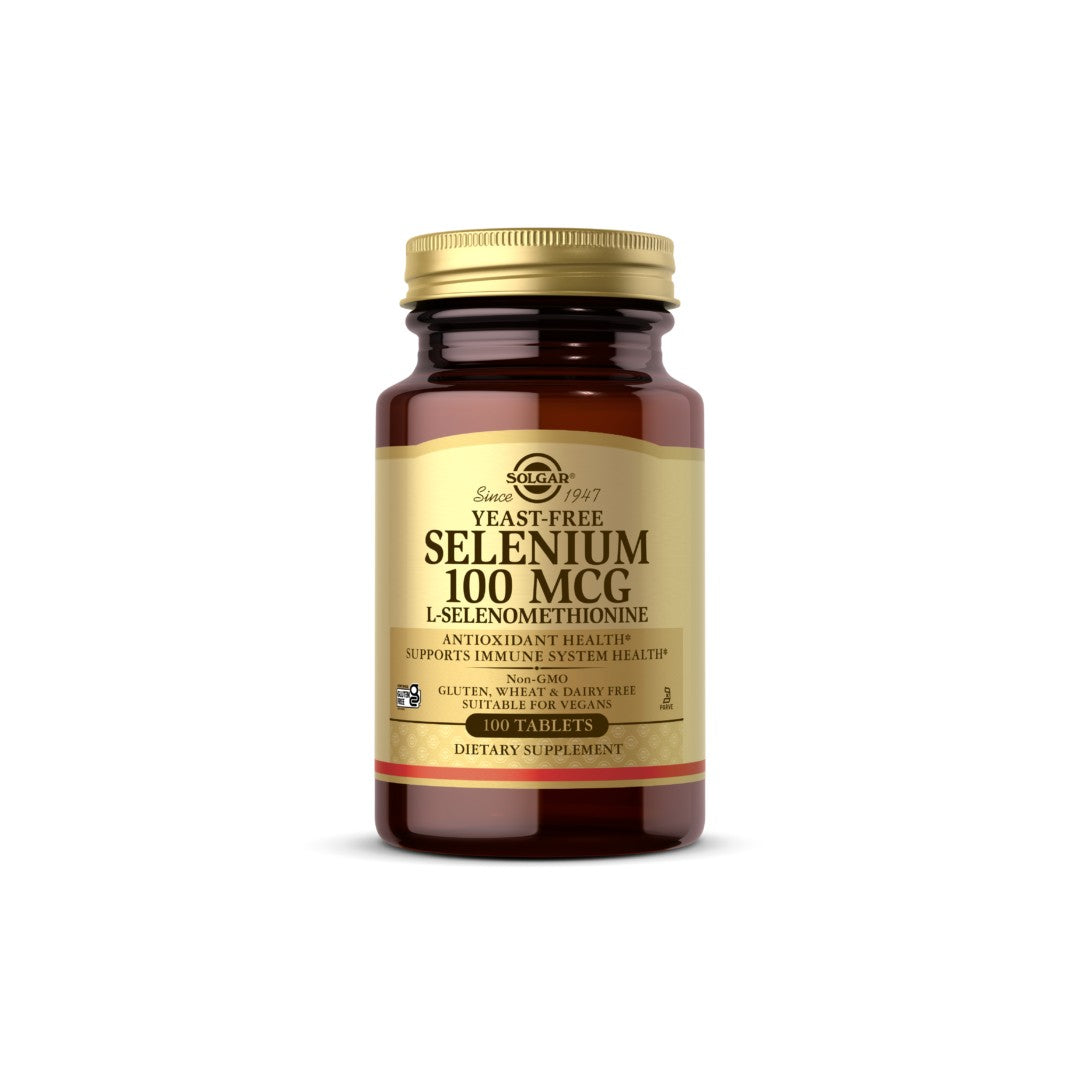
Vitamin B6 – participates in many metabolic processes related to the functioning of the nervous and endocrine systems. It plays a role in neurotransmitter synthesis and influences hormone metabolism.
Vitamin D3+K2 – Vitamin D3 plays a key role primarily in regulating calcium and phosphorus metabolism, supports bone and muscle health, and contributes to the proper functioning of the immune system. Vitamin K2 is often combined with D3 due to their shared role in calcium metabolism.
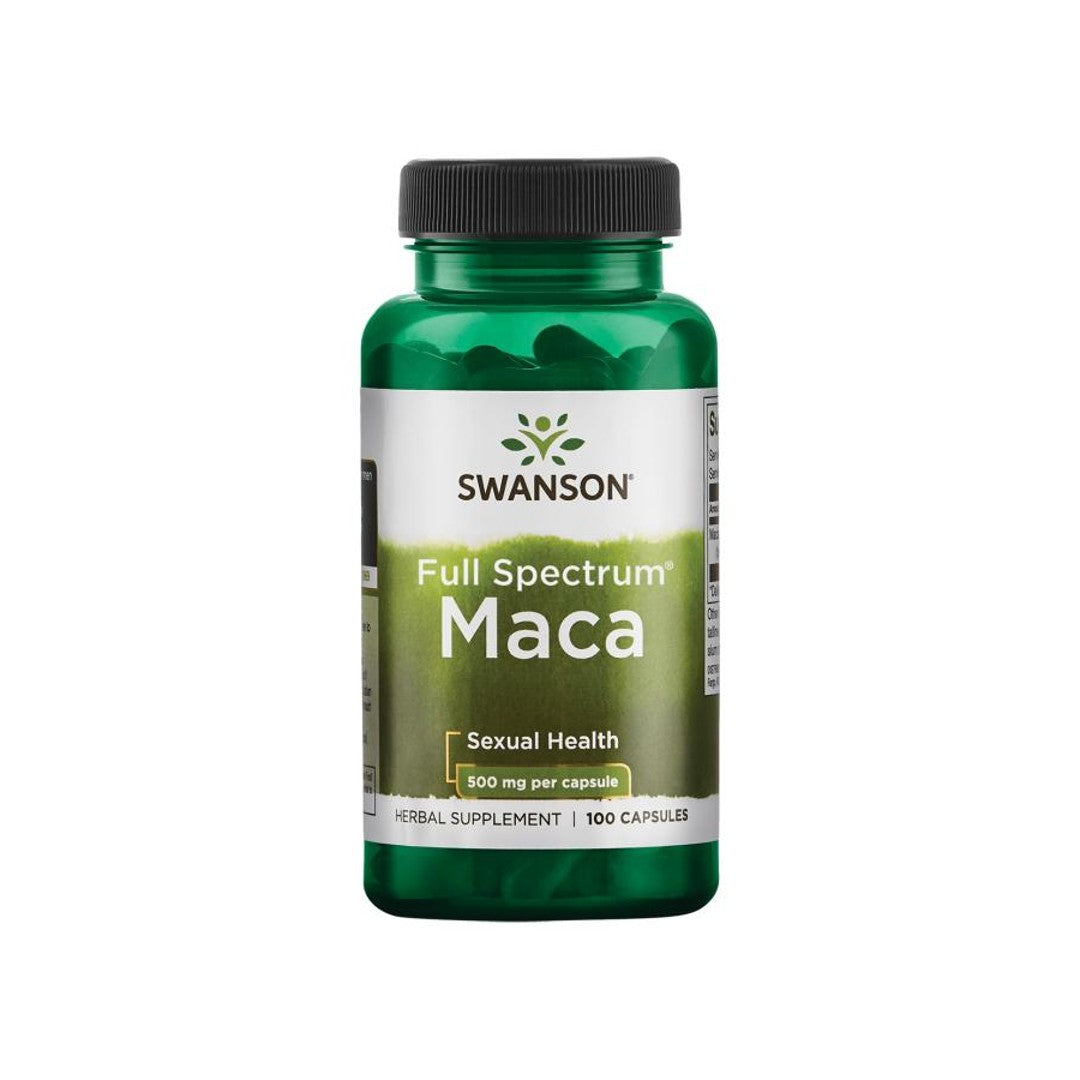
Maca is a supplement containing plant-based ingredients; it does not act directly as a hormone. However, it supports hormonal balance, helps the body adapt better to stress, and has a positive effect on well-being and energy levels.
Hormonal balance depends on many factors—diet, sleep quality, physical activity, stress levels, and daily habits. It is the combination of these factors that influences metabolism, energy levels, well-being, and the body’s proper functioning. While supplementation cannot replace a healthy lifestyle, carefully selected ingredients can provide valuable support for hormonal balance and daily recovery.